Source Heating Massage Cushion for Back, Neck, and Shoulder Relief
Explore 30 heating massage cushion options from verified suppliers. Compare features like kneading, infrared therapy, and voltage specifications to find the right product for back, neck, and shoulder relief needs; compare the available evidence and request quotations based on your requirements.
Key considerations
Products List


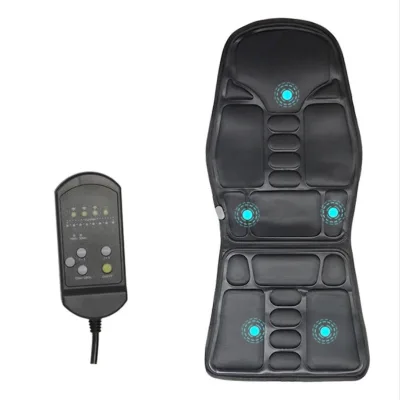
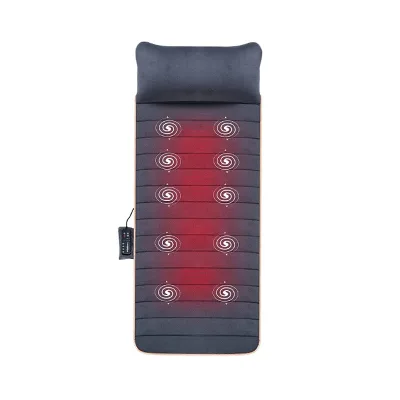
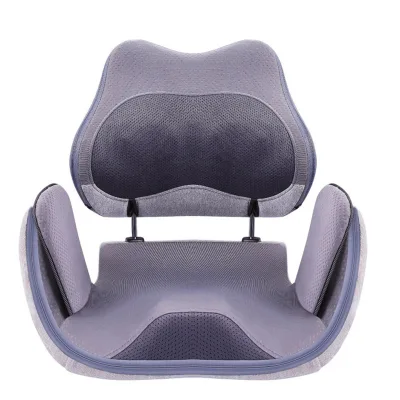


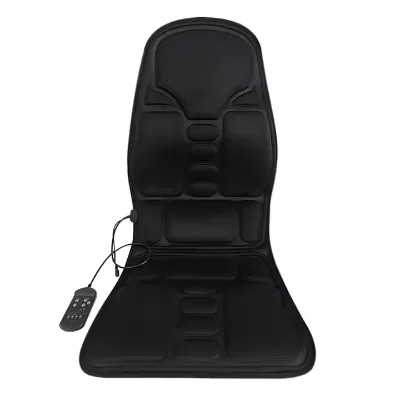
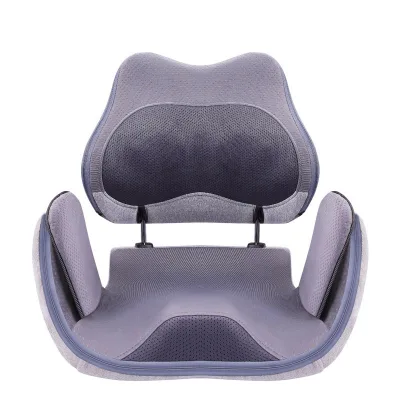
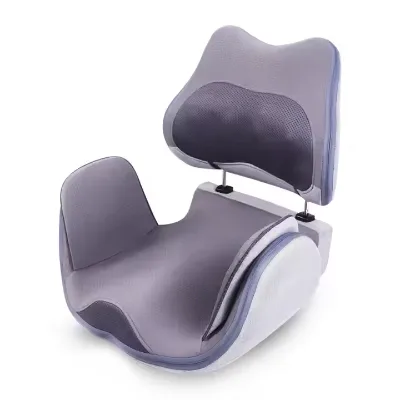


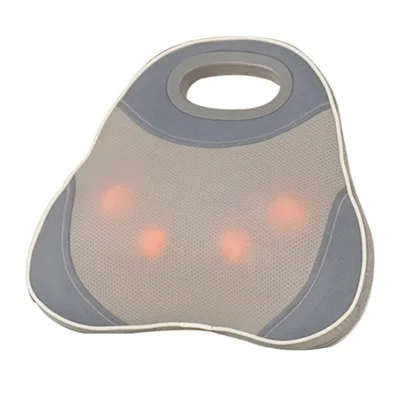
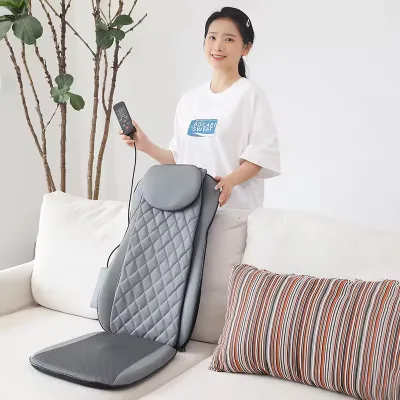


Comprehensive Sourcing Guide
Heating Massage Cushion Sourcing Guide
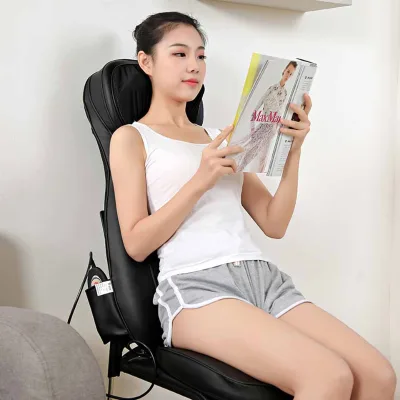
Procuring heating massage cushions requires a disciplined approach to balancing thermal therapy features with mechanical massage efficacy. Buyers must first distinguish between simple vibration units and complex Shiatsu-style devices that combine kneading mechanisms with infrared or hot compress functions. The market offers a wide spectrum of options, from basic vibrating pads to advanced air-pressure systems targeting specific body zones like the back, waist, and hips. Understanding these functional differences is critical for aligning product selection with end-user expectations and intended use cases, whether for personal home use or professional therapeutic settings.
Sourcing decisions should also account for the diverse power requirements and material compositions found across different models. Some units operate on low-voltage DC power for safety and portability, while others require standard AC mains connection, impacting their suitability for travel or office environments. Material choices, such as PU leather or ABS plastic housings, directly influence durability, comfort, and cleaning maintenance. Buyers need to evaluate these physical attributes alongside electrical specifications to ensure the final product meets both aesthetic preferences and rigorous safety standards for prolonged skin contact and heat exposure.
Product Scope and Observed Listing Signals
The current market landscape for heating massage cushions reveals a broad range of product configurations and branding strategies. Listings frequently highlight features such as kneading, vibrating, and infrared physiotherapy, often combined with timing controls for automated operation. Observed product names include variations like "Back Relax Massage Cushion" and "Hot Compress Pain Relief Massage Cushion," indicating a focus on targeted relief for common areas of tension. Buyers should note that while many products claim comprehensive coverage, the actual massage area may vary significantly, ranging from localized zones to fully body coverage, necessitating careful review of individual product descriptions.
Packaging and physical dimensions also vary widely, reflecting different target markets and logistical considerations. Some units are packaged in compact color boxes suitable for retail display, while others arrive in larger cartons designed for bulk shipping. Observed single package sizes can be substantial, with some units measuring up to 56x50x70 cm, which impacts storage and freight costs. Additionally, weight specifications range from lightweight portable models around 1.5 kg to heavier, more robust units exceeding 5 kg. These physical characteristics are essential for calculating landed costs and determining the appropriate distribution channels for your specific business model.
Technical Specifications to Verify
Electrical specifications are a primary area of verification, as power inputs differ significantly across manufacturers. Some cushions operate on AC 110V-240V, making them suitable for global markets with varying grid standards, while others use 12V DC power supplies for enhanced safety and portability. Buyers must confirm the voltage compatibility for their target regions to avoid the need for additional transformers or adapters. Furthermore, rated power consumption, such as 24W for certain models, should be checked to assess energy efficiency and potential impact on utility costs for high-volume users or commercial applications.
Mechanical and structural specifications require close attention to ensure durability and user comfort. The number of massage heads, ranging from basic two-head configurations to more complex twenty-head arrays, directly affects the intensity and coverage of the massage. Material composition, often a combination of ABS plastic for the housing and PU leather for the contact surface, influences both the tactile experience and the longevity of the product. Buyers should also verify the presence of specific features like timing controls, which allow for automatic shut-off after set intervals, enhancing safety and user convenience during extended use sessions.
Compliance and Safety Documentation
Safety certifications are non-negotiable for electrical massage devices, particularly those incorporating heating elements. Buyers must ensure that suppliers provide valid CE and ROHS certificates, which indicate compliance with European health, safety, and environmental protection standards. These certifications are critical for importing products into regulated markets and demonstrate that the device meets essential requirements for electrical safety and restricted hazardous substances. Without proper documentation, shipments may be held at customs, leading to significant delays and additional costs, so verifying the authenticity and scope of these certificates is a vital step in the sourcing process.
Beyond basic certifications, buyers should inquire about additional safety features and testing protocols. Devices with heating functions must have reliable thermal regulation to prevent overheating and potential burns, which may be indicated by features like automatic timing controls or temperature sensors. It is advisable to request test reports or compliance statements related to specific safety standards for electrical appliances and massage equipment. Understanding the full scope of compliance ensures that the product not only meets legal requirements but also minimizes liability risks associated with product misuse or malfunction in the hands of consumers.
Cost Drivers and Commercial Terms
Pricing for heating massage cushions is influenced by a variety of factors, including the complexity of the massage mechanism, the quality of materials used, and the level of customization offered. Observed price ranges can vary significantly, reflecting differences in feature sets and brand positioning. Buyers should expect to see a wide spectrum of costs, from basic models to premium units with advanced features like infrared therapy and air pressure massage. Understanding these cost drivers helps in setting realistic budget expectations and negotiating favorable terms with suppliers based on volume and specific feature requirements.
Minimum Order Quantities (MOQs) and payment terms are key commercial considerations that impact cash flow and inventory management. MOQs can range from small quantities for trial orders to larger volumes for established distribution channels, with some suppliers offering flexible terms for customized products. Buyers should clarify these requirements early in the negotiation process to avoid surprises. Additionally, lead times and shipping terms should be discussed to ensure timely delivery, especially for seasonal products or large-scale orders. Clear communication regarding these commercial terms helps in planning production schedules and managing supply chain risks effectively.
Supplier Qualification and Quality Control
Evaluating supplier qualifications is essential for ensuring consistent product quality and reliable service. Buyers should verify the supplier's manufacturing capabilities, including their production capacity and quality control processes. Suppliers located in key manufacturing hubs like Fujian and Guangdong, China, often have established supply chains and expertise in producing electronic massage devices. However, location alone is not a guarantee of quality, so it is important to assess the supplier's track record, customer reviews, and ability to provide after-sale support, such as online technical assistance or return and replacement policies.
Quality control measures should be integrated into the procurement process to minimize defects and ensure product consistency. Buyers should request samples for thorough testing before placing bulk orders, checking for issues related to heating uniformity, massage mechanism durability, and electrical safety. Implementing pre-shipment inspections can help identify potential problems early, allowing for corrective actions before goods are dispatched. Establishing a clear quality agreement with the supplier, including acceptable defect rates and remediation procedures, provides a framework for maintaining high standards and protecting your brand reputation in the market.
Long-Term Procurement Checks
Sustaining a successful sourcing relationship requires ongoing monitoring and periodic re-evaluation of supplier performance. Buyers should regularly review product quality, delivery times, and responsiveness to issues to ensure that the supplier continues to meet expectations. As technology evolves, staying informed about new features and improvements in massage cushion design can help you remain competitive in the market. Engaging in continuous dialogue with suppliers about future product developments and potential customization opportunities can lead to innovative solutions that better serve your customers' needs.
Additionally, buyers should remain vigilant about changes in regulatory requirements and market trends that may impact product compliance and demand. Regularly updating your knowledge of safety standards and certification requirements ensures that your product offerings remain legal and safe for consumers. Building a diversified supplier base can also mitigate risks associated with single-source dependencies, providing flexibility in case of supply chain disruptions. By maintaining a proactive approach to supplier management and market analysis, you can secure a stable and competitive supply of heating massage cushions for the long term.
FAQs
What are the main massage functions available?
The heating massage cushion offers kneading, vibrating, and infrared physiotherapy functions. Some models include air pressure for the hips and timing controls. These features target the back, waist, hips, shoulders, and neck for full-body relaxation and pain relief.
Can I customize the product packaging?
Yes, customization is available for this heating massage cushion. Standard packing includes color boxes or cartons. Buyers can request specific packaging dimensions or branding to suit their retail needs, ensuring the product arrives safely and presents well in the market.
What certifications do these cushions have?
These heating massage cushions typically hold CE and ROHS certifications. These standards ensure the electrical components and materials meet safety and environmental requirements. Buyers should verify specific model certificates, as some variants may have additional documentation depending on the manufacturer and region.
What is the typical weight of the cushion?
The weight varies by model, ranging from 1.5 kg to 5.2 kg. Lighter units like the 1.5 kg version are portable, while heavier models may offer more robust construction. Check the specific product standard for the exact weight of the desired model.
How long can the cushion operate continuously?
The work time is typically set to 15 or 30 minutes per session. This timing control helps prevent overheating and ensures safe usage. The device automatically stops after the selected duration, providing a convenient and controlled massage experience for the user.
What voltage options are supported?
Voltage options include AC 110V-240V for global compatibility and 12V DC for specific applications. Buyers should select the appropriate voltage based on their local power standards. Ensure the power supply matches the model requirements to avoid electrical issues during operation.